Topic
Dog training: humane methods, basics and finding help
Quick answer
Effective dog training rewards the behavior you want so it happens more often. The American Veterinary Society of Animal Behavior (AVSAB) recommends reward-based methods and advises against aversive tools such as shock, prong and choke collars, which are linked to fear and aggression. Keep sessions short, start socializing puppies early, and see a veterinarian when behavior changes suddenly, since pain or illness can be the cause.
Articles on this topic
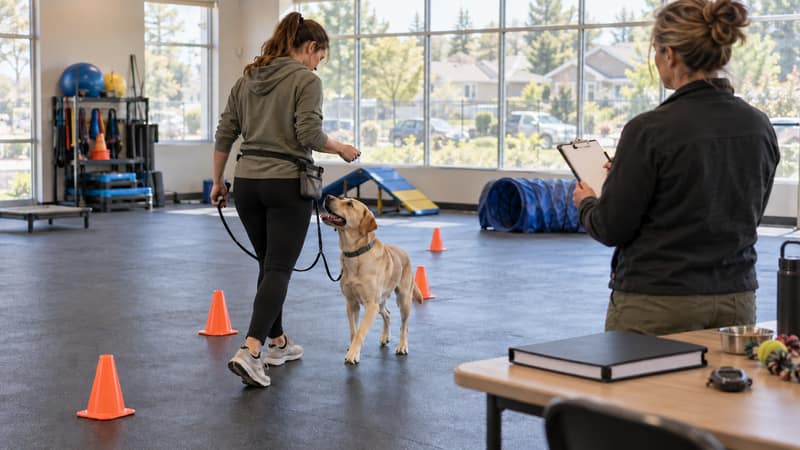 Buying guideHow to become a certified dog trainer (CPDT-KA and more)Steps to become a certified dog trainer — education, 300 hours of experience, the CPDT-KA exam, recertification, pay data and how to start working.Read article
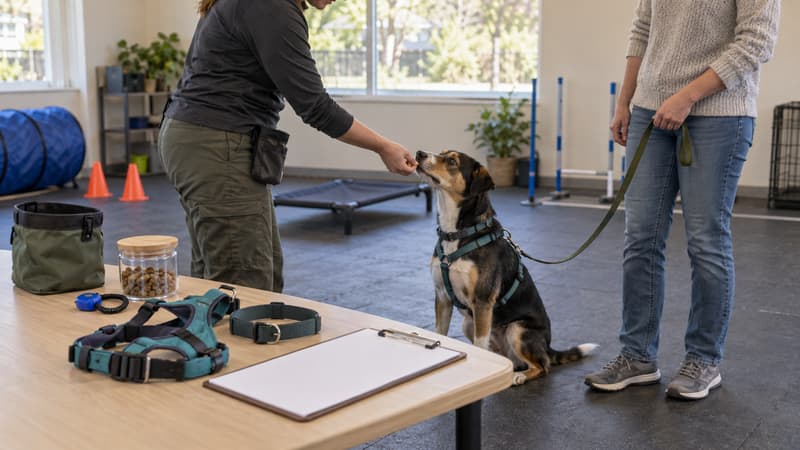 Buying guideHow to choose a dog trainer: questions and red flagsHow to find a good dog trainer — methods, credentials, questions to ask and red flags — following AVSAB and RSPCA guidance on humane training.Read article
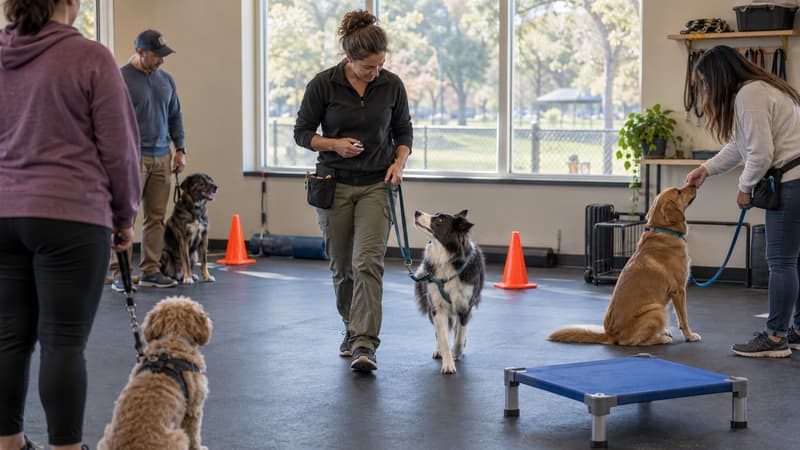 Buying guideIs a dog training course worth it? Pros, cons and costsWho benefits from a dog training course, what a good one teaches, BLS pay data for animal trainers, and how to avoid courses built on outdated methods.Read article
 Buying guideOnline dog training courses compared (2026 guide)How online dog training courses compare — self-paced programs, live virtual classes and professional courses — with a checklist to pick a humane one.Read article
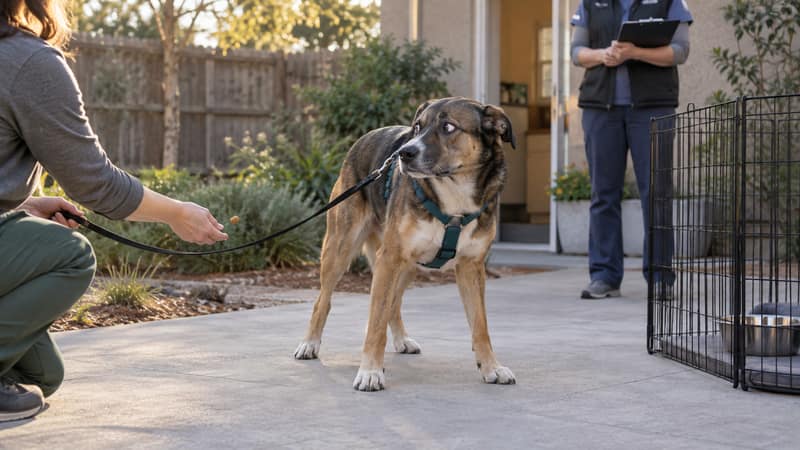 Question answeredAggressive dog training: what works and what makes it worseWhy dogs become aggressive, the warning signs before a bite, the evidence on punishment and dominance, and a safe plan with a vet and behaviorist.Read article
 Question answeredCrate training a puppy: a night-by-night scheduleHow to crate train a puppy step by step, a night-by-night plan for the first week, crate size, time limits by age and how to handle whining.Read article
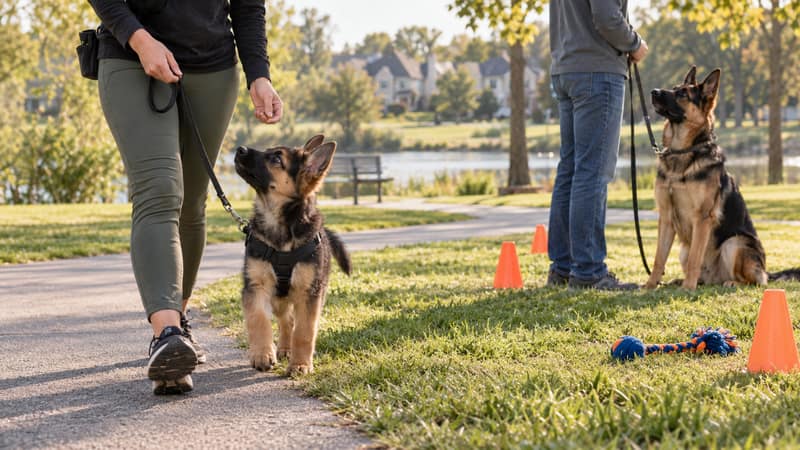 Question answeredGerman Shepherd training guide: puppy to adultHow to train a German Shepherd puppy and adult — socialization, mouthing, leash skills, exercise, guarding tendencies and the mistakes to avoid.Read article
 Question answeredHow to potty train a puppy: a 7-day plan and scheduleA day-by-day potty training plan for puppies with a sample schedule, signs your puppy needs to go, how to handle accidents and when to call the vet.Read article
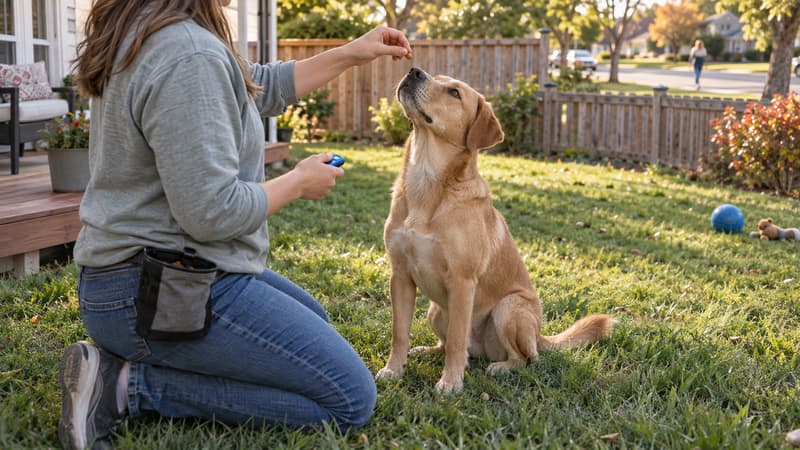 Question answeredHow to teach a dog to sit: a reward-based methodTeach your dog to sit in a few short sessions using a food lure, a marker and rewards — then add distance, duration and distractions step by step.Read article
 Question answeredPositive reinforcement dog training: how and why it worksWhat positive reinforcement means, why AVSAB recommends reward-based training, how to use treats, timing and markers, and common mistakes to avoid.Read article
 Question answeredPuppy socialization: what to do and when to startWhy the first three months shape a puppy's behavior, how to socialize safely before vaccines are complete, and a practical checklist of experiences.Read article
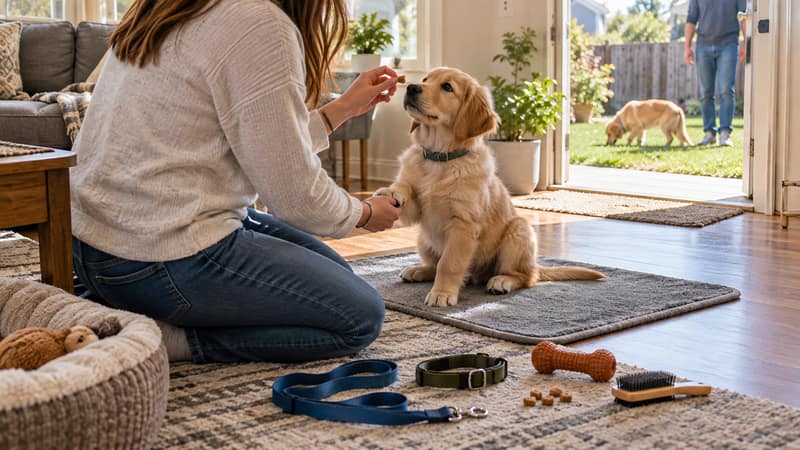 Question answeredPuppy training schedule by age: 8 weeks to 6 monthsWhat to teach your puppy at each age from 8 weeks to 6 months — socialization, house training, cues, biting and handling — with a weekly at-home plan.Read article
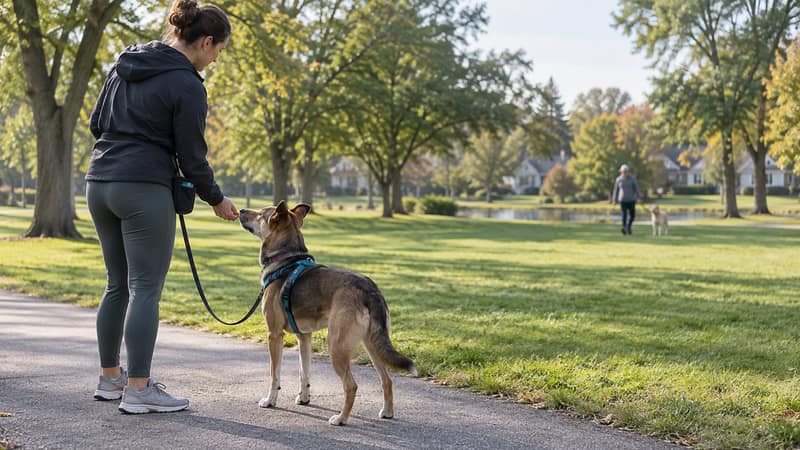 Question answeredReactive dog training: a step-by-step planHow to train a leash reactive dog with desensitization and counterconditioning — distance, triggers, threshold, daily exercises and when to get help.Read article
Complete topic guide

What modern dog training looks like
Training is teaching a dog which behaviors pay off. The AVSAB position statement on humane dog training recommends reward-based methods for all training and behavior work, and warns that aversive methods — leash jerks, shock, prong or choke collars, intimidation — carry risks of fear, stress and aggression. The RSPCA gives the same advice to owners: reward good behavior, keep sessions short and seek qualified help when stuck.
The building blocks
| Topic | What it gives you |
|---|---|
| Positive reinforcement | A reliable way to teach any cue without fear |
| Puppy socialization | A confident adult dog that copes with new people, places and sounds |
| Basic cues (sit, down, come) | Everyday control and safety |
| Choosing a trainer | Help that does not set your dog back |
When behavior is a health issue
A sudden change in behavior — new aggression, house soiling, fear — can be caused by pain or illness. Before you start training for it, have the dog checked by a veterinarian. For serious problems, a veterinary behaviorist is the right professional.
Training as a career
The BLS reports a median pay of $39,990 for animal trainers in 2025. Certification is not legally required, but it helps trainers show their knowledge and methods.
The articles in this section explain positive reinforcement, puppy socialization, teaching sit, choosing a trainer and whether a dog training course is worth it.
Related topics
- Dog grooming: skills, safety and how to get startedHow to bathe a dog, trim nails safely, groom a cat and turn grooming into a job — practical guides based on ASPCA and BLS sources.
- Veterinary assistant: what the job is and how to startWhat a veterinary assistant does, how to get hired, how the role differs from a vet tech, what it pays and whether a course is worth it.