Topic
Pet reptiles: bearded dragons, geckos, pythons and tortoises
Quick answer
Pet reptiles depend on their enclosure to regulate body temperature, so the setup is the care: a thermal gradient with a basking spot, the right UVB lighting for the species, correct humidity and a species-appropriate diet with calcium. Bearded dragons, leopard geckos, ball pythons and tortoises differ widely, and most health problems trace back to husbandry. Wash hands after handling because reptiles can carry Salmonella.
Articles on this topic
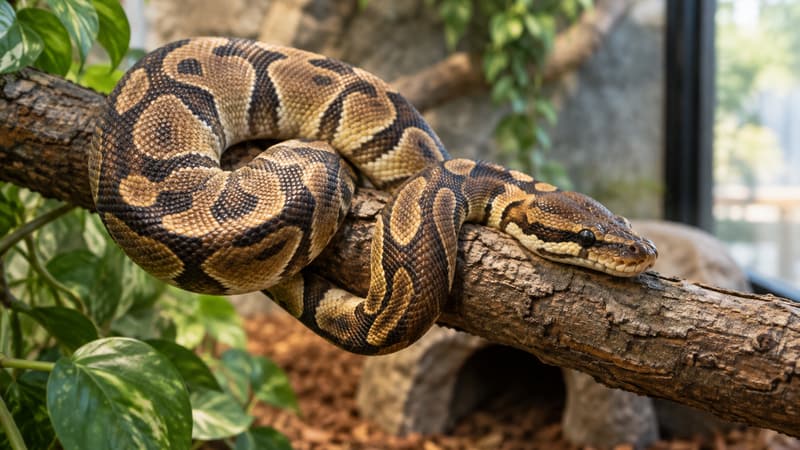 Question answeredBall python care: enclosure, heat, humidity and feedingBall python care for beginners — enclosure setup, heat gradient, humidity for clean sheds, frozen-thawed feeding and why ball pythons refuse food.Read article
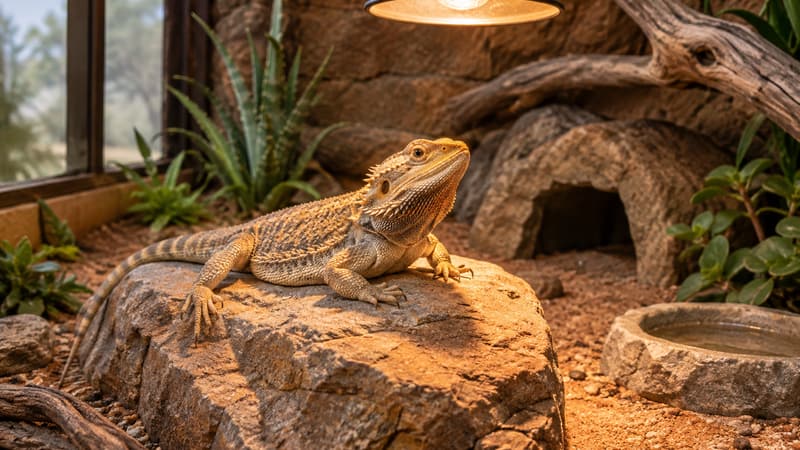 Question answeredBearded dragon care: enclosure, lighting, diet and healthBearded dragon care guide — tank size, basking temperatures, UVB lighting, a balanced insect-and-greens diet, supplements and common health problems.Read article
 Question answeredLeopard gecko care: tank setup, heat, feeding and healthHow to care for a leopard gecko — tank size, safe substrate, warm-side temperatures, insect feeding, calcium dusting, shedding and health problems.Read article
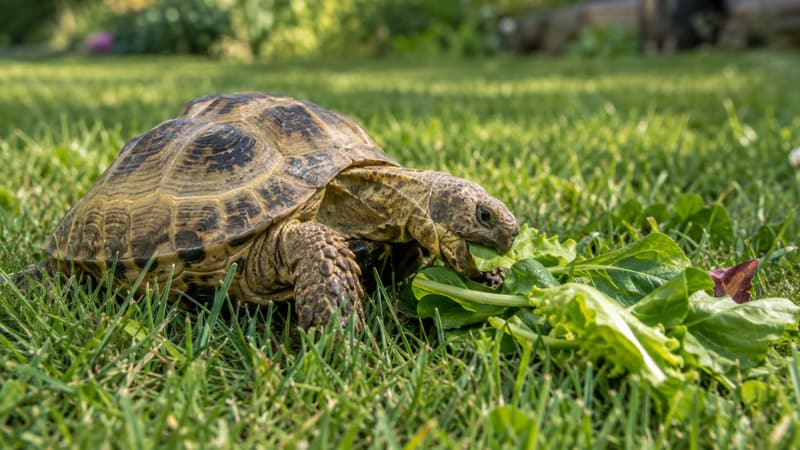 Question answeredTortoise care: Russian, sulcata and Hermann's tortoisesPet tortoise care in the US — species, enclosures, UVB and heat, a leafy-green diet, health problems and laws on wild desert tortoises.Read article
Complete topic guide

Why reptiles need a different kind of care
Reptiles are ectotherms: they depend on outside heat to digest food, fight infection and stay active. That means the enclosure does much of the work a dog’s metabolism does on its own. The Merck Veterinary Manual’s reptile housing table sums up the essentials every keeper has to control: a temperature gradient, species-appropriate humidity, a day–night light cycle and, for many species, UVB light. Most illnesses seen in pet reptiles, such as metabolic bone disease, respiratory infections and stuck sheds, trace back to one of those settings.
Four popular pet reptiles compared
| Species | Adult size | Diet | Key setup need |
|---|---|---|---|
| Bearded dragon | 18–22 inches | Greens plus insects | Hot basking spot and strong UVB |
| Leopard gecko | 5–10 inches | Insects | Belly heat on a thermostat, humid hide |
| Ball python | 3–5 feet | Whole rodents | Tight hides, steady heat and humidity |
| Tortoise | 10 inches to 3 feet | Leafy greens and weeds | Floor space, UVB or sunshine |
Sizes are from VCA Animal Hospitals’ care pages, linked inside each guide.
Before you buy
- Build and test the habitat first. Run heat and lights for a day or two and check temperatures with a digital thermometer before the animal arrives.
- Plan for the lifespan. Leopard geckos and ball pythons can live 10–20 years, and some tortoises live for decades.
- Find a reptile veterinarian before you need one, and book a new-pet exam with a fecal test.
- Buy captive-bred animals. The Mojave desert tortoise is federally threatened and many states protect native box turtles; never take reptiles from the wild or release pets outdoors.
Salmonella and household safety
The CDC warns that reptiles often carry Salmonella even when they look healthy, and that tanks, water and feeder rodents can spread it too. Wash hands with soap and running water after any contact, clean equipment away from the kitchen, and keep children under 5 from handling reptiles or their habitats. Adults 65 and older and people with weakened immune systems should take extra care.
Where to start
New keepers usually do well with a leopard gecko because of its modest space and lighting needs. If you want a more interactive daytime lizard, read the bearded dragon guide. People who want a calm pet that eats rarely often choose a ball python, and anyone with a sunny, fenced yard can consider a small Russian or Hermann’s tortoise. Each guide covers enclosure size, temperatures, diet, health warning signs and a care checklist you can follow day to day.
Related topics
- Pet birds: parakeets, cockatiels and canariesCare guides for parakeets, cockatiels, canaries and aviaries: cage size, diet, lighting, health signs and when to see an avian vet.
- Small pets: guinea pigs, rabbits and hamstersHousing, diet, handling and health basics for guinea pigs, pet rabbits and hamsters, from veterinary and humane-society sources.