Topic
Small pets: guinea pigs, rabbits and hamsters
Quick answer
Guinea pigs, rabbits and hamsters are not starter pets that live in small cages. Rabbits and guinea pigs need unlimited grass hay, fresh greens and a large enclosure; guinea pigs also need daily vitamin C. Hamsters are solitary and need a deep-bedding cage with a solid wheel. All three hide illness, so appetite or droppings changes need a vet who sees exotic pets.
Articles on this topic
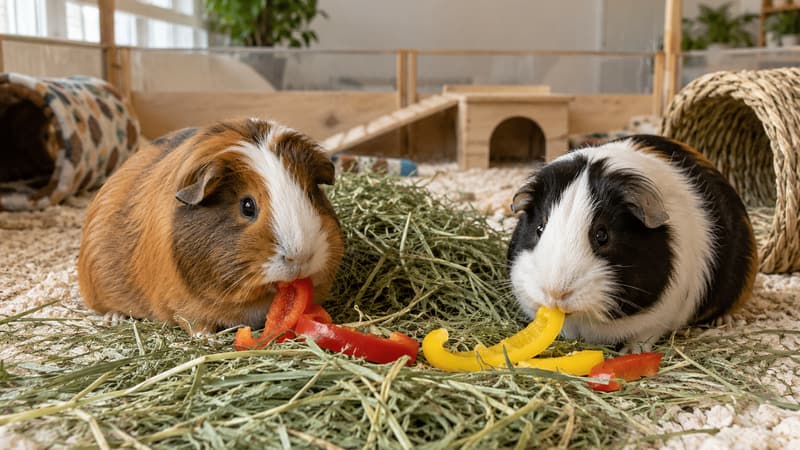 Question answeredGuinea pig care: vitamin C, diet, cage size and daily routineA practical guinea pig care guide — daily vitamin C needs, hay and pellet amounts, cage size, bedding, health warning signs and a simple care routine.Read article
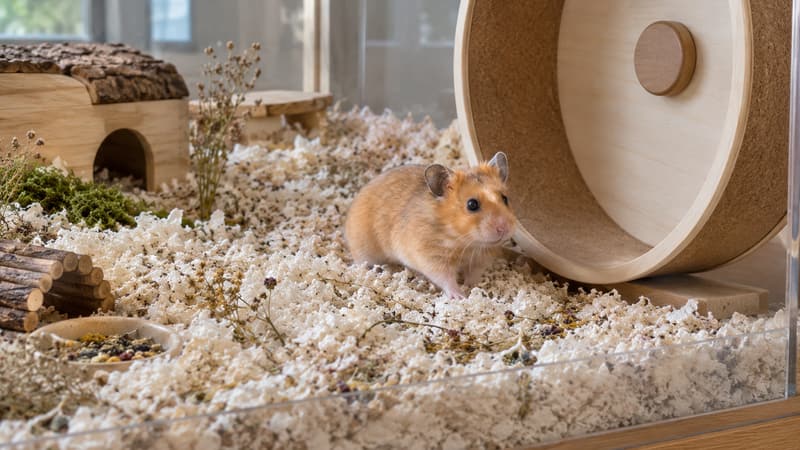 Question answeredHamster care: cage setup, bedding, wheel, diet and healthHow to care for a hamster — cage and bedding setup, safe wheels, temperature, Syrian vs dwarf species, lifespan, teeth, wet tail and signs of illness.Read article
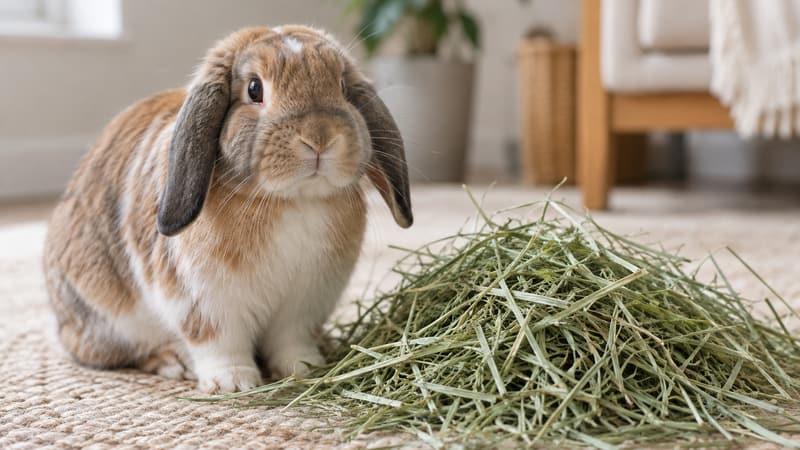 Question answeredPet rabbit care: diet, housing, teeth and health basicsPet rabbit care — hay-first diet with exact amounts, cage and exercise space, temperature limits, dental care, handling, vaccines and warning signs.Read article
Complete topic guide

Why small pets need real planning
Guinea pigs, rabbits and hamsters are often sold as easy starter pets, yet each has specific needs that decide whether it thrives. Rabbits and guinea pigs are grazing herbivores whose teeth never stop growing and whose digestion depends on unlimited hay. Hamsters are solitary, nocturnal burrowers that need deep bedding and a safe wheel. The Merck Veterinary Manual pet owner pages cover all three species, and our guides turn that guidance into daily routines.
Compare the three species
| Species | Social needs | Active | Key requirement | Typical space |
|---|---|---|---|---|
| Guinea pig | Prefers a companion | Day | Daily vitamin C | At least 7 sq ft per pig (Merck) |
| Rabbit | Social, bonds with people or another rabbit | Dawn and dusk | Unlimited hay, room to exercise | Pen plus daily free-roam time |
| Hamster | Lives alone | Night | Deep bedding, solid wheel | Largest secure cage you can fit |
Start with the right guide
- Guinea pig care — why guinea pigs need about 10 mg/kg of vitamin C every day, hay and pellet amounts, cage size, bedding and warning signs of scurvy.
- Pet rabbit care — hay-first diet with exact portions, minimum cage sizes, heat limits, safe handling, dental care and the RHDV2 vaccine.
- Hamster care — Syrian vs dwarf species, cage and bedding setup, choosing a wheel, lifespan and wet tail.
Habits that prevent most problems
- Fiber first. For rabbits and guinea pigs, unlimited grass hay protects both the gut and the teeth.
- Weigh weekly. A kitchen scale catches weight loss before other signs appear.
- Watch appetite and droppings. A small pet that stops eating needs a vet the same day.
- Keep it cool and dry. Rabbits struggle above 80°F, and damp bedding causes foot and breathing problems in every species.
- Find an exotics vet early. Not every clinic treats small mammals, so locate one before an emergency.
Keep the family healthy too
Small mammals can carry Salmonella even when they look healthy, and pet rodents can carry LCMV. The CDC small mammal guidance recommends handwashing after every handling session or cage clean, keeping pet supplies out of the kitchen and supervising young children. Pregnant women should avoid handling pet rodents when possible.
Be ready for emergencies
Small pets hide illness, so a fast response matters. Keep our pet first aid quick guide on hand, and review the toxic foods list — chocolate, for example, is dangerous to many species, not just dogs and cats.
Related topics
- Pet birds: parakeets, cockatiels and canariesCare guides for parakeets, cockatiels, canaries and aviaries: cage size, diet, lighting, health signs and when to see an avian vet.
- Pet reptiles: bearded dragons, geckos, pythons and tortoisesEnclosure, heat, UVB, diet and health guides for bearded dragons, leopard geckos, ball pythons and tortoises, from veterinary sources.