Topic
Pet birds: parakeets, cockatiels and canaries
Quick answer
Small pet birds such as parakeets (budgerigars), cockatiels and canaries live 8 to 20 years and need a spacious cage or aviary, a pellet-based diet with fresh vegetables rather than seed alone, daily out-of-cage time or flight space, and regular checkups with an avian veterinarian. Birds hide illness, so fluffed feathers, tail bobbing or droppings changes warrant a prompt vet visit.
Articles on this topic
 Question answeredHow to build a bird aviary: setup guide for small birdsStep-by-step guide to planning and building an indoor or outdoor aviary for budgies, cockatiels, canaries and finches — size, materials, safety and hygiene.Read article
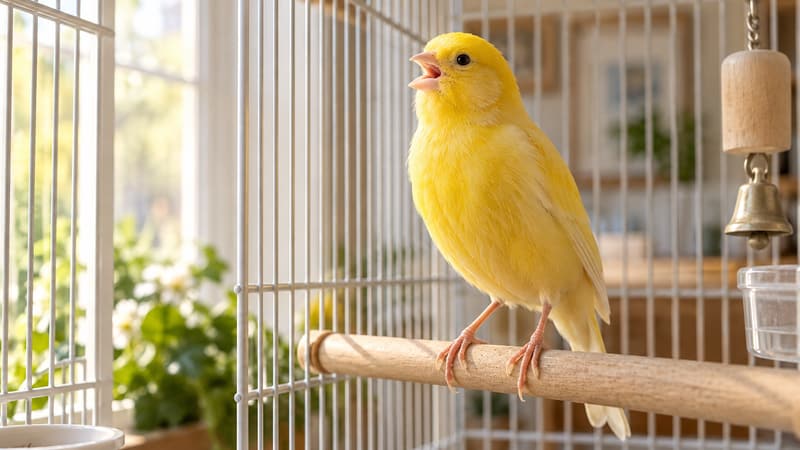 Question answeredCanary care: housing, diet, singing and healthHow to care for a canary — flight cage setup, pellet and fresh food diet, why males sing, light and rest, bathing, molting and signs of illness.Read article
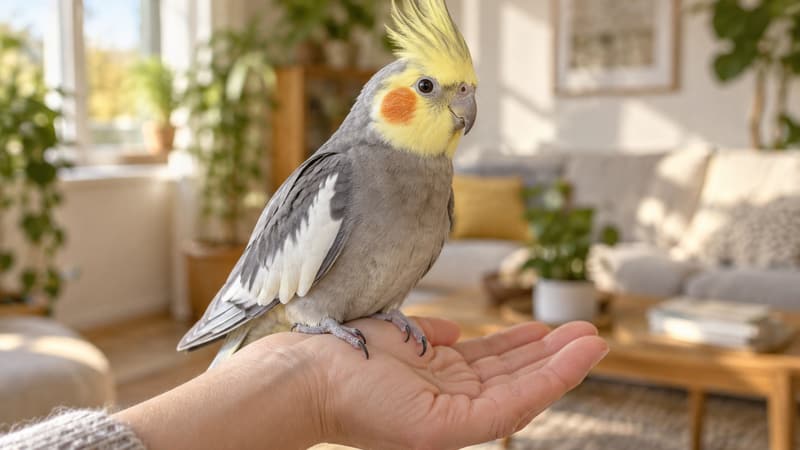 Question answeredCockatiel care: cage, diet, behavior and health basicsA beginner's cockatiel care guide — cage setup, a 75–80% pellet diet, foods to avoid, night frights, socialization, health signs and lifespan.Read article
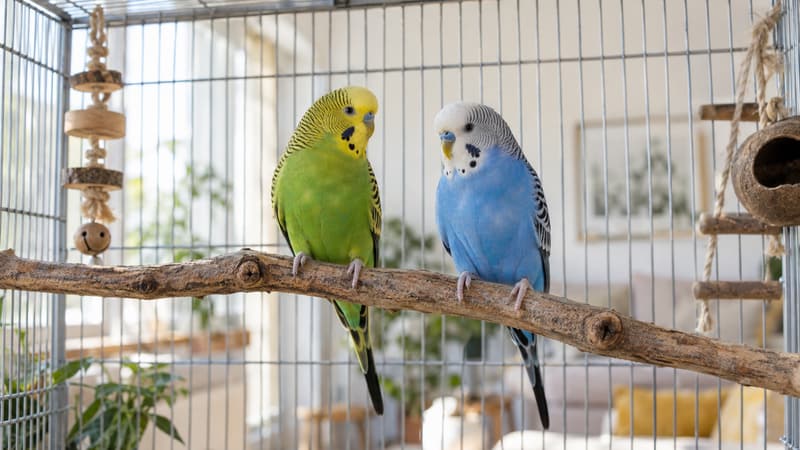 Question answeredParakeet care: a complete budgie guide for beginnersHow to care for a parakeet (budgie) — cage size and setup, pellet-based diet, daily routine, taming, health warning signs and household hazards.Read article
Complete topic guide

Why small birds make great pets
Parakeets (budgerigars), cockatiels and canaries are the most popular pet birds in the United States. They fit in apartments, cost less to keep than large parrots and bring song, color and personality into a home. They are also long-lived: the Merck Veterinary Manual gives budgies 5 to 10 years, canaries up to 15 and cockatiels up to 20. Choosing the right species is the first step.
| Bird | Lifespan (Merck) | Social style | Best for |
|---|---|---|---|
| Parakeet (budgie) | 5–10 years | Flock bird, can talk | Beginners who want interaction |
| Cockatiel | Up to 20 years | Affectionate, whistles | Owners with daily time to give |
| Canary | Up to 15 years | Territorial, males sing | People who enjoy watching and listening |
Our pet bird guides
- Parakeet care — cage size, a pellet-based diet, taming and warning signs.
- Cockatiel care — the 75–80% pellet guideline, foods to avoid, night frights and behavior.
- Canary care — flight cages, why males sing (and stop), light and bathing.
- How to build a bird aviary — size, materials, predator-proofing and which species can share space.
Four rules that apply to every small bird
1. Give more space than you think. Merck’s minimum cage size is at least one and a half times the bird’s wingspan in all directions, and larger for more than one bird. Rectangular cages beat round ones, and length matters more than height because birds fly horizontally.
2. Seeds are a treat, not a diet. Merck advises that seeds should not make up most of a pet bird’s diet because they are high in fat and low in nutrients. Feed pellets as the base, add small daily portions of fresh vegetables, and change water every day. Never offer avocado.
3. Birds hide illness. Puffed-up feathers, extra sleep, sitting low on the perch, tail bobbing, less singing or talking, and changes in droppings or appetite are all signs on Merck’s list. Find an avian veterinarian before you need one and call the same day if you notice these.
4. Protect their lungs and yours. Birds’ respiratory tracts are very sensitive to fumes from aerosols, perfumes, pesticides and cleaning products. For your own health, the CDC recommends washing hands after handling birds or cages, dampening cages before cleaning and cleaning bowls daily to reduce the risk of psittacosis.
Where to start
New to birds? Start with the parakeet guide: budgies are forgiving, social and easy to find. If you want a cuddlier companion and can commit for two decades, read the cockatiel guide. If birdsong is what you are after, the canary guide is for you. And when your flock outgrows its cage, the aviary guide walks you through building a safe flight.
Related topics
- Small pets: guinea pigs, rabbits and hamstersHousing, diet, handling and health basics for guinea pigs, pet rabbits and hamsters, from veterinary and humane-society sources.
- Pet reptiles: bearded dragons, geckos, pythons and tortoisesEnclosure, heat, UVB, diet and health guides for bearded dragons, leopard geckos, ball pythons and tortoises, from veterinary sources.