Topic
Homesteading: ducks, goats and composting
Quick answer
Homesteading on a few acres usually starts with small livestock that pay their way: ducks for eggs and pest control, dairy goats for milk, and composted manure to feed the garden. Each needs planning for housing, fencing, feed, water and manure handling before the animals arrive, and Extension services in every state offer free, local guidance.
Articles on this topic
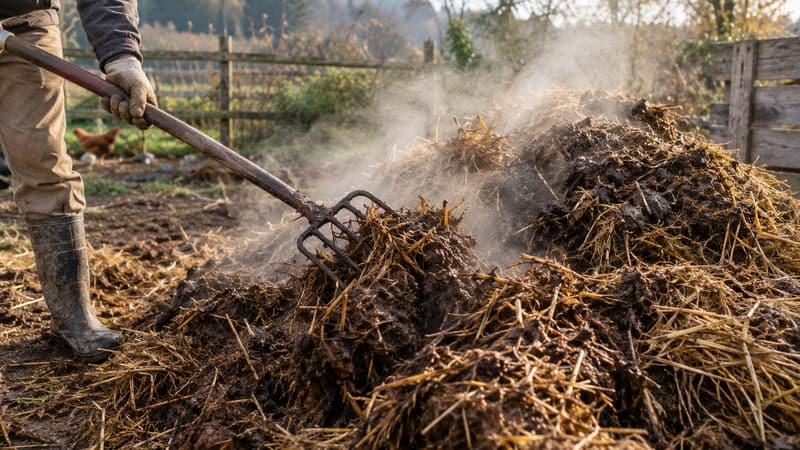 Question answeredComposting animal manure: a safe step-by-step guideHow to compost chicken, duck, goat and horse manure safely — carbon-to-nitrogen mix, moisture, 131°F pathogen kill, turning, curing and harvest intervals.Read article
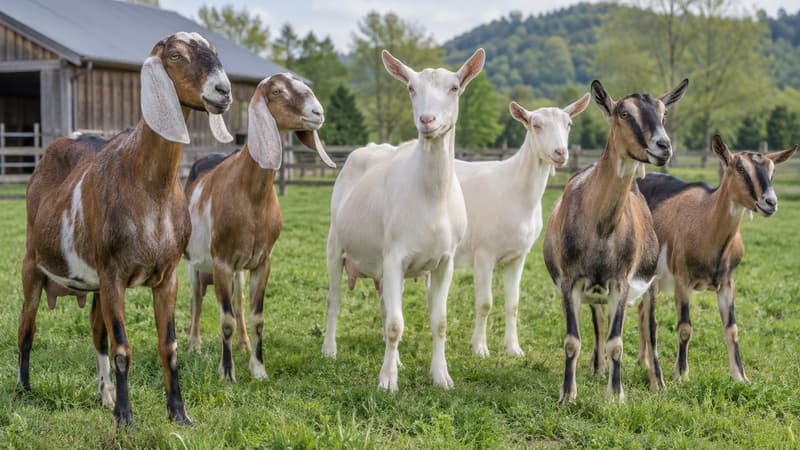 Question answeredDairy goat breeds: how to choose and start your first herdCompare Nubian, LaMancha, Alpine, Saanen, Nigerian Dwarf and other goat breeds, plus Boer for meat, and learn housing, feeding, breeding and kid care basics.Read article
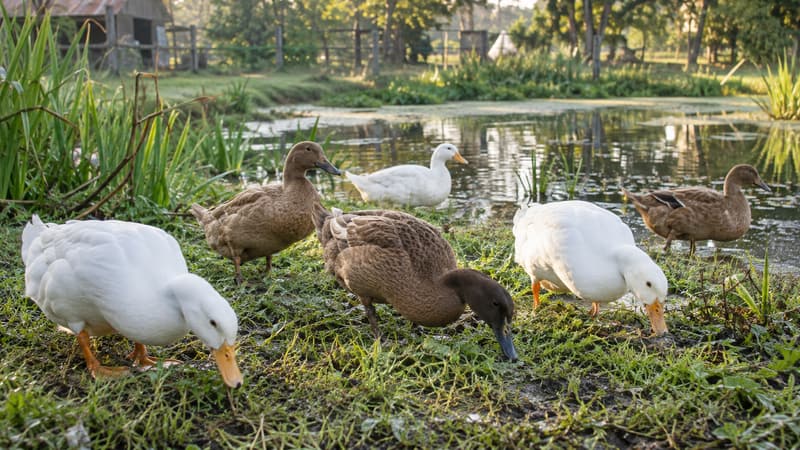 Question answeredRaising ducks: a beginner guide for the backyard and homesteadHow to start raising ducks — choosing breeds, brooding ducklings, housing, water, feed, incubating duck eggs, health and how ducks compare with chickens.Read article
Complete topic guide

What homesteading means on a few acres
Homesteading today usually means producing part of your own food on a small property: a garden, a few animals and a system that turns their manure back into soil. The animals that fit best are small, hardy and productive — ducks, dairy goats, chickens, quail and bees — and each needs housing, fencing, feed, water and a plan for manure before it arrives. Your county Extension office offers free, local advice on all of these.
Start with the right animals
| Animal | What it gives | Daily commitment | Guide |
|---|---|---|---|
| Ducks | Eggs, meat, pest control | Low to moderate; lots of water | Raising ducks |
| Dairy goats | Milk, kids, manure | High; milking twice a day | Dairy goat breeds |
| Chickens | Eggs, meat | Low | Backyard chickens |
| Quail | Eggs, meat in small spaces | Low | Raising quail |
| Pigs | Meat | Moderate, seasonal | Raising pigs for meat |
| Bees | Honey, pollination | Seasonal | Beekeeping for beginners |
Ducks are forgiving for beginners: they handle cold and rain, forage for slugs and insects and lay large eggs, but they need constant drinking water and make bedding wet. Most duck eggs take about 28 days to hatch, a week longer than chicken eggs; our egg incubator guide covers the basics.
Dairy goats are the bigger commitment. Breed choice — Nubian, LaMancha, Alpine, Saanen, Nigerian Dwarf and others — shapes how much milk you get, how rich it is, and how much space and fencing you need. Goats are herd animals, so plan on at least two.
Close the loop with compost
Every animal produces manure, and composting it well is what makes a homestead work. A hot pile of manure mixed with straw or shavings, kept moist and turned, reaches temperatures that university Extension services say kill most pathogens. Raw manure used on food crops needs a waiting period before harvest — 90 days, or 120 days for crops that touch the soil, under the USDA National Organic Program rule. Our manure composting guide walks through the process step by step.
Plan before you buy
- Check zoning and HOA rules for livestock, especially ducks, goats and roosters.
- Build housing and fencing first. Predators and escapes cause most early losses.
- Line up feed, hay and a veterinarian who sees small livestock.
- Start small and expand once your daily routine is comfortable.
For coop layouts and incubation checklists that adapt to small flocks, see the Backyard Coop and Incubation Guide.
Related topics
- Backyard chickens and quail: coops, hatching and eggsCoop and run sizing, incubation, brooder care, biosecurity and egg records for small U.S. flocks of chickens and quail, from Extension sources.
- Beekeeping for beginnersA first-year plan for new beekeepers: hives, equipment, inspections, varroa mites and honey harvest, based on Extension guidance.