Topic
Backyard chickens and quail: coops, hatching and eggs
Quick answer
A small backyard flock needs a dry, ventilated, predator-proof coop with at least 3 square feet per bird indoors when birds also have a run, and 8 to 10 square feet per bird if they stay inside, according to Oregon State University Extension. Add roosts, about one nest box per four hens, clean water and a complete layer feed. Check local ordinances before you buy birds and follow USDA biosecurity advice.
Articles on this topic
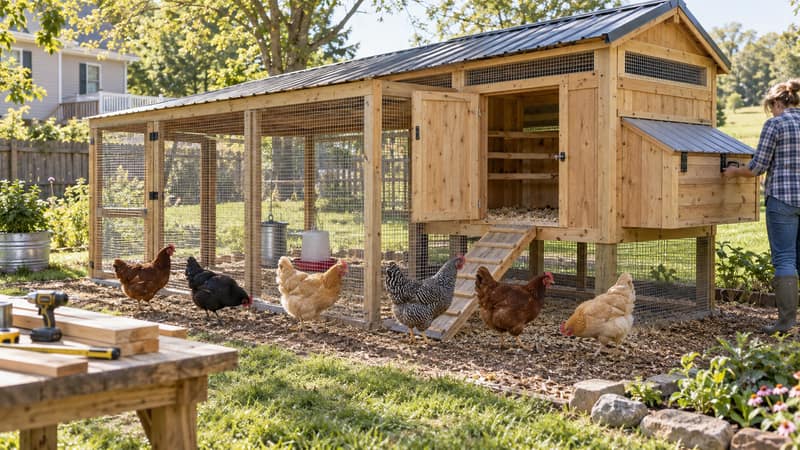 Buying guideBest chicken coop for 6 chickens: size, features and runHow much space 6 chickens need, what to look for in a coop with run, kit vs custom vs DIY, and the features that separate good coops from bad ones.Read article
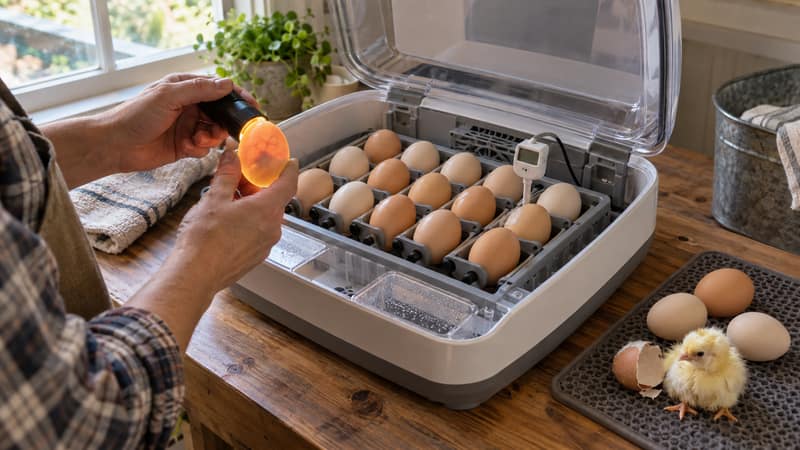 Buying guideHow to use an egg incubator: day-by-day hatching guideA 21-day chicken egg incubation guide — incubator setup, temperature, humidity, turning, candling, lockdown, hatch day and how to choose the best egg incubator.Read article
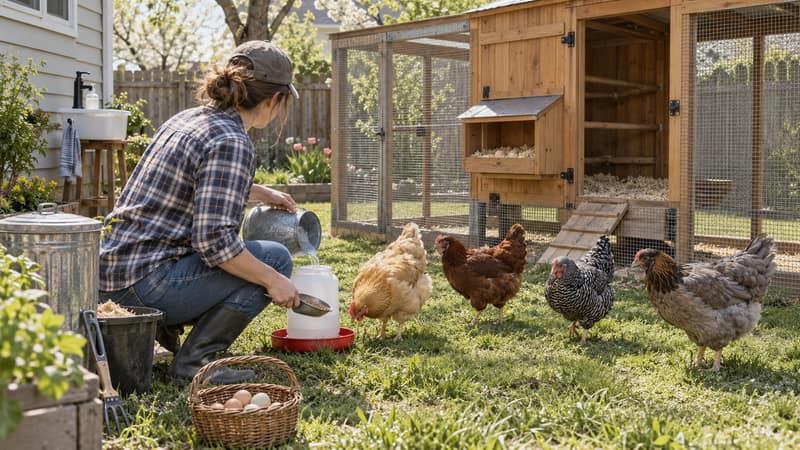 Question answeredBackyard chickens for beginners: complete guideHow to start raising chickens for eggs — local rules, coop space, feed, water, health, Salmonella safety, daily chores and a first-year plan for a small flock.Read article
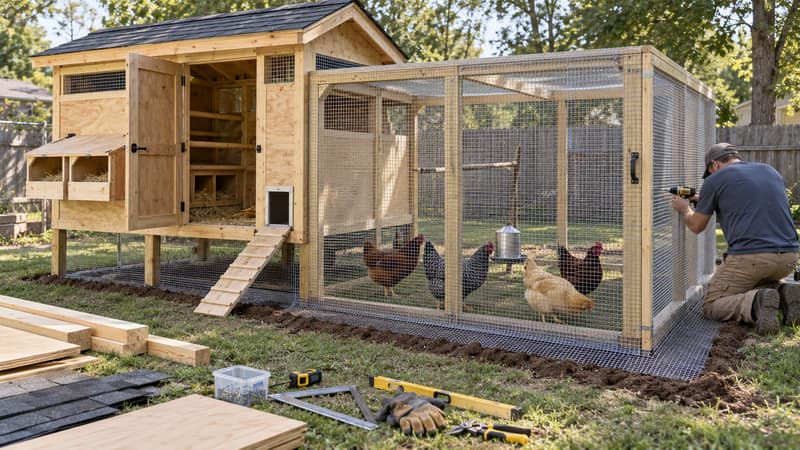 Question answeredDIY chicken coop: plans, sizes and materialsHow to plan and build a DIY chicken coop and run — space per bird, roosts, nest boxes, ventilation, predator-proofing, materials list and building steps.Read article
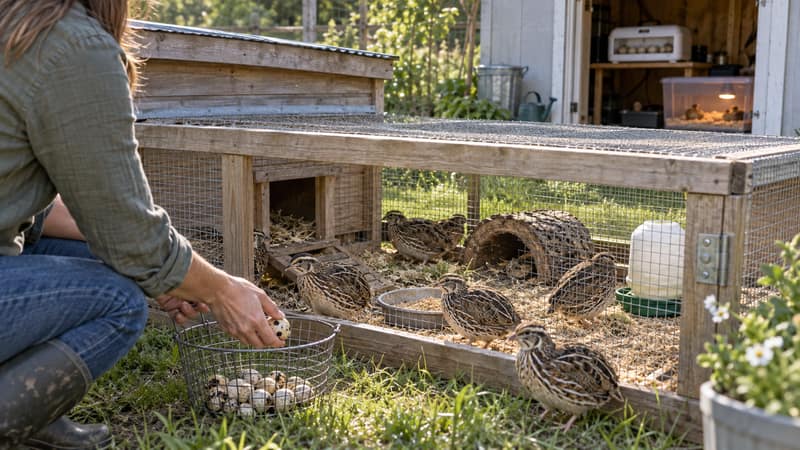 Question answeredRaising quail: beginner guide to coops, incubation and eggsHow to raise Coturnix quail for eggs and meat — housing, feed, lighting, incubation and brooding, health, local rules and how quail compare with chickens.Read article
Complete topic guide

What a small flock really needs
A backyard flock is simple to start and easy to get wrong. Most problems — cramped coops, wet bedding, predators, poor laying — come from planning, not from the birds. The Oregon State University Extension Service suggests at least 3 square feet of coop floor per bird when the birds also have a run, and 8 to 10 square feet per bird if they stay inside. Ventilation matters as much as space: fresh air removes ammonia and moisture that cause respiratory trouble.
| Item | Rule of thumb for a small chicken flock |
|---|---|
| Coop floor (with a run) | At least 3 sq ft per bird |
| Coop floor (no run) | About 8–10 sq ft per bird |
| Roost | 5–10 inches of perch per bird |
| Nest boxes | About 1 per 4 hens |
| Feed | Complete layer ration once hens start laying |
| Water | Clean and unfrozen every day |
Before you buy birds
- Check the rules. Many towns limit flock size, ban roosters or require permits. Your city or county code has the answer.
- Plan predator protection. Hardware cloth, not chicken wire, and a door you close at night.
- Think about biosecurity. Wash hands after handling birds, keep visitors and wild birds away from feed and report sick or dying birds to your state veterinarian or USDA.
- Decide on your goal. Eggs, hatching, meat or quail each need a slightly different setup.
Quail as an alternative
Coturnix quail need far less space than chickens, start laying young and need only a short incubation (Japanese quail embryos develop in about 16 days), which makes them popular where space is tight. They still need clean housing, light management and a feed with enough protein.
Tools for planning
Our Backyard Coop & Incubation Guide puts space, feed, brooder and incubator numbers in one place with Extension citations; the Chicken Egg Production Tracker logs lay rate and cost per dozen; and the Quail Egg Production Guide covers Coturnix quail from incubation to egg records.