Topic
Dog health: parasites, infections and prevention
Quick answer
Most serious infectious and parasitic diseases of dogs are preventable. Keep core vaccines up to date (they protect against parvovirus and distemper), give heartworm prevention year-round with an annual test as the American Heartworm Society recommends, and use year-round flea and tick control as CAPC advises. Vaccinate for kennel cough organisms based on lifestyle. See a veterinarian promptly for vomiting with diarrhea in puppies, coughing with fever, or any sudden illness.
Articles on this topic
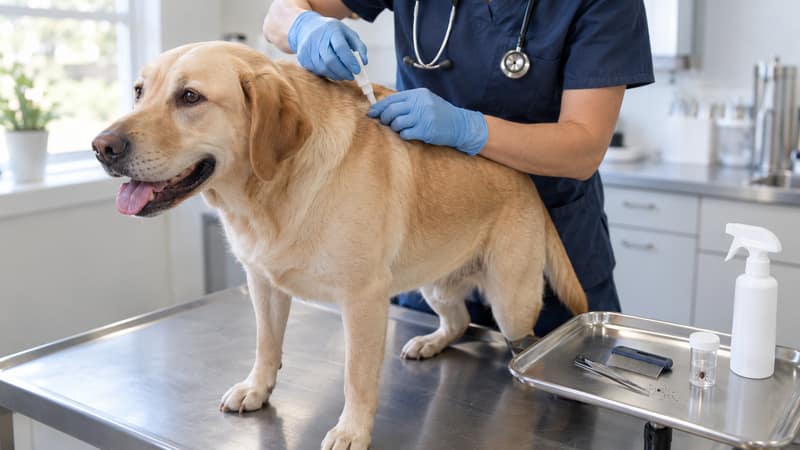 Buying guideFlea and tick prevention for dogs: what vets recommendHow flea and tick products for dogs compare, why CAPC recommends year-round control, the flea life cycle, tick removal and how to treat the home.Read article
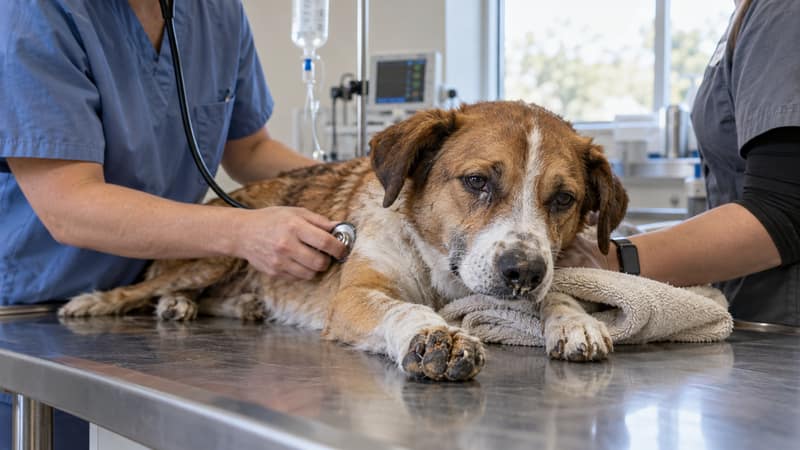 Question answeredDistemper in dogs: stages and symptomsCanine distemper symptoms by stage — fever, eye and nose discharge, cough, diarrhea, hardpad and neurological signs — plus treatment, prognosis and vaccination.Read article
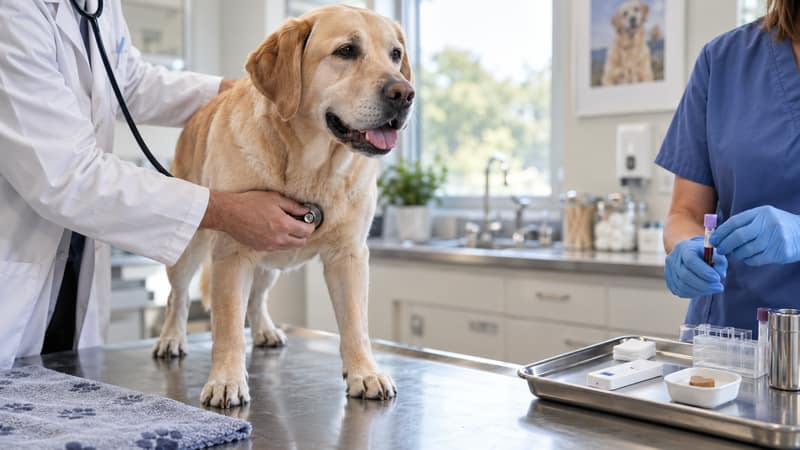 Question answeredHeartworm in dogs: symptoms, treatment and preventionHow heartworm spreads, early and late symptoms, testing schedule, treatment and why the American Heartworm Society advises prevention 12 months a year.Read article
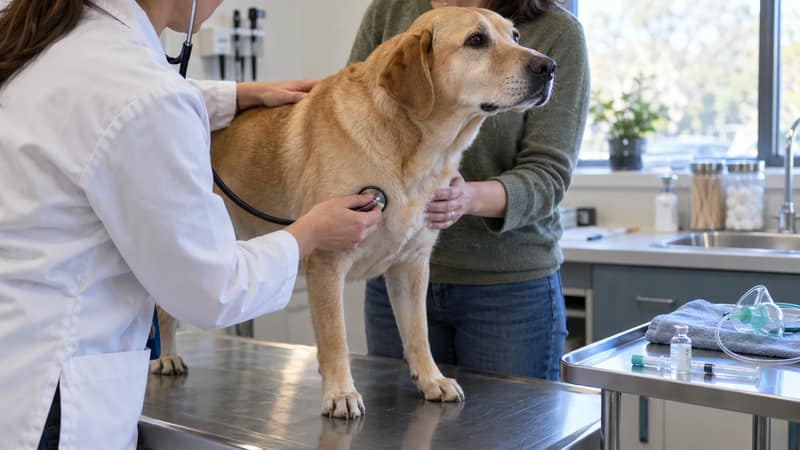 Question answeredKennel cough in dogs: symptoms, treatment and Bordetella vaccineWhat kennel cough is, how long it lasts, home care, warning signs of pneumonia, treatment options and how the Bordetella and other respiratory vaccines help.Read article
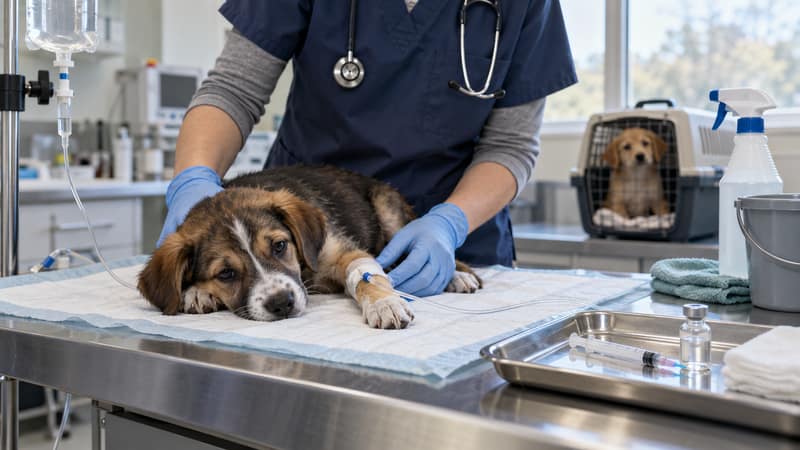 Question answeredParvo in dogs: symptoms, survival rate and preventionCanine parvovirus explained — how it spreads, first symptoms, treatment, survival rates with care, home cleaning with bleach and the puppy vaccine schedule.Read article
Complete topic guide

Prevention covers most of the risk
Many of the most serious diseases in dogs are preventable with routine care: vaccines, parasite prevention and regular checkups. The articles in this section explain each condition, but the core plan is short.
| Threat | Prevention | Key source |
|---|---|---|
| Parvovirus | Puppy vaccine series and boosters | Merck Veterinary Manual |
| Distemper | Core vaccines | Merck Veterinary Manual |
| Kennel cough | Lifestyle vaccines (Bordetella, parainfluenza, adenovirus-2) | Merck Veterinary Manual |
| Heartworm | Prevention 12 months a year; test every 12 months | American Heartworm Society |
| Fleas and ticks | Year-round control for every pet in the home | CAPC |
When to see a veterinarian right away
- A puppy with vomiting or diarrhea, especially before its vaccines are complete
- Coughing with fever, thick nasal discharge or lethargy
- Difficulty breathing, collapse or pale gums
- Seizures or twitching
- Suspected poisoning
How often to see the vet
The Merck Veterinary Manual recommends visits twice a year or more for senior dogs over 7–8 years old. Puppies need several visits for their vaccine series, and healthy adults at least an annual checkup with heartworm testing.
For emergencies, keep a dog first aid kit and read the pet first aid guide. Nutrition matters too: see the dog food guide.
Related topics
- First aid for dogs and cats: what to do in an emergencyChoking, poisoning, heatstroke, toxic foods and bleeding: what to do for your dog or cat on the way to the vet, based on AVMA and Merck.
- Dog food and nutrition: what to feed and whyHomemade, raw, fresh and kibble diets, food allergies, sensitive stomachs and senior dogs, grounded in veterinary nutrition sources.