Topic
Freshwater aquariums for beginners
Quick answer
A healthy freshwater aquarium depends on water quality more than on the fish. Set up the tank with a filter and heater, cycle it until ammonia and nitrite read zero before adding fish, stock lightly and change part of the water every week. Bettas, guppies and goldfish have very different needs, so choose the tank around the species.
Articles on this topic
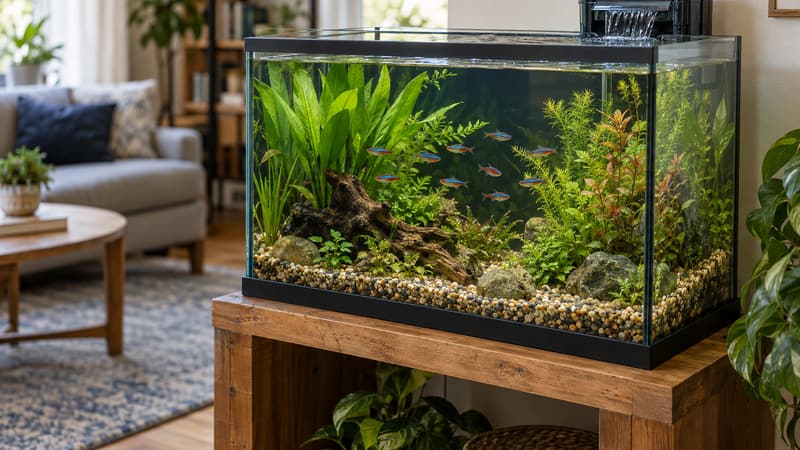 Buying guideFreshwater aquarium for beginners: setup, fish and maintenanceHow to start a freshwater aquarium — tank size, filter and heater, cycling, hardy beginner fish, feeding, water changes and classic mistakes to avoid.Read article
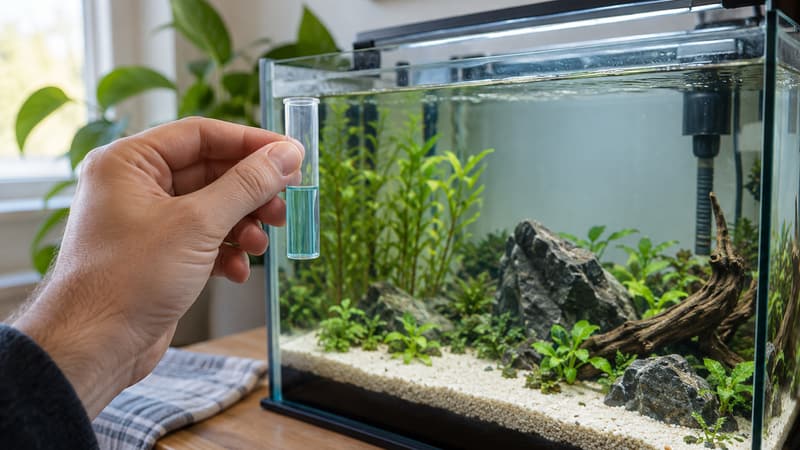 Question answeredAquarium cycling: how to cycle a fish tank step by stepHow to cycle a new aquarium — the nitrogen cycle, fishless cycling step by step, test readings to expect, how long it takes and fixing a stalled cycle.Read article
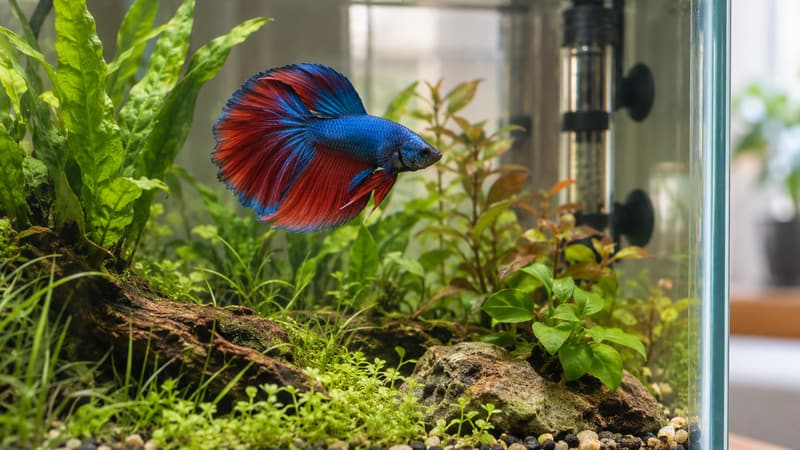 Question answeredBetta fish care: tank, temperature, feeding and healthA practical betta fish care guide — tank size, heater and filter, water temperature, feeding, tank mates, water changes and the health problems to watch for.Read article
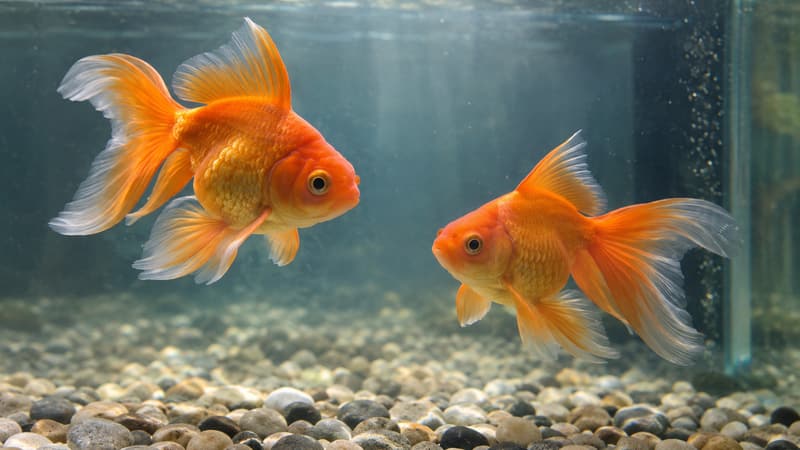 Question answeredGoldfish care: tank size, water, feeding and lifespanHow to care for goldfish — why bowls fail, tank size, filtration, water, feeding, fancy vs. common types, tank mates, ponds and health problems.Read article
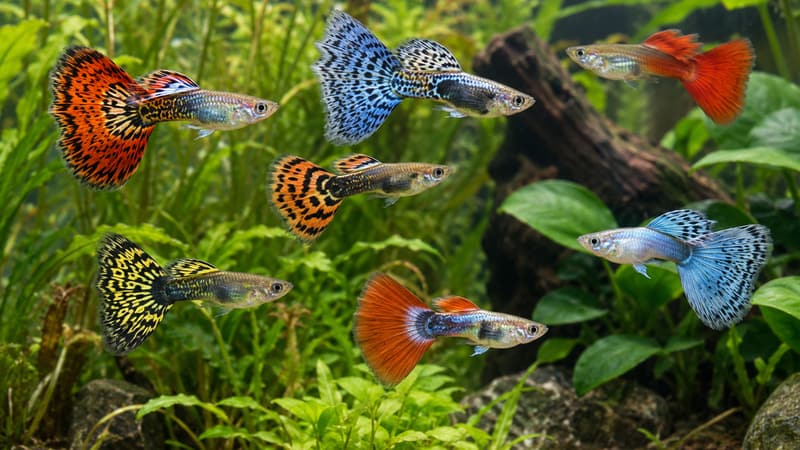 Question answeredGuppy care: tank setup, water, feeding and breedingHow to care for guppies — tank size, water temperature and pH, feeding, male-to-female ratio, breeding and fry care, tank mates and common health problems.Read article
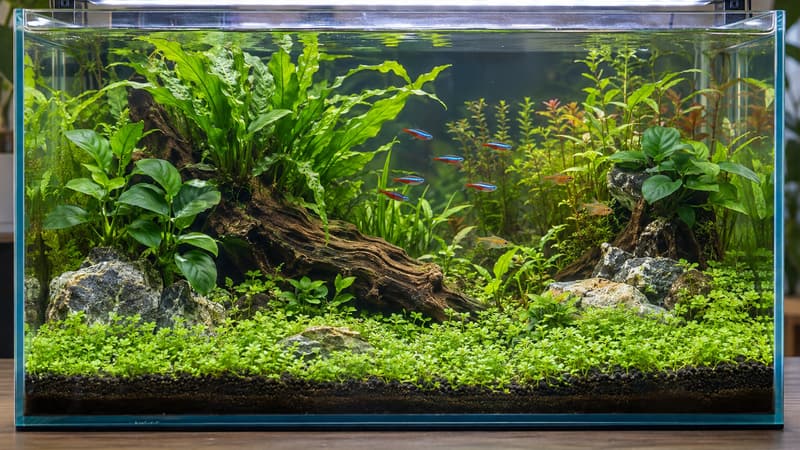 Question answeredPlanted aquarium for beginners: easy plants, light and careHow to start a planted aquarium — easy low-light plants, substrate, lighting, fertilizer, CO2 basics, planting step by step, algae control and maintenance.Read article
Complete topic guide

Why keep an aquarium
A home aquarium is a living system in a box: fish, bacteria, water and often plants depend on one another. Done well, it is calm, beautiful and surprisingly low-maintenance. Done in a hurry, it is the source of most “my fish keep dying” stories. The difference almost always comes down to water quality — the Merck Veterinary Manual names poor water quality as the most common cause of environmental disease in fish.
Start with the water, not the fish
Every guide in this library comes back to the same foundation: a filtered tank that has been cycled before fish arrive, so bacteria can turn toxic ammonia into nitrite and then into much safer nitrate. Start with freshwater aquarium for beginners for equipment and setup, then follow aquarium cycling step by step. UF/IFAS Extension’s guide to responsible aquarium ownership gives the same advice: establish the biological filter before adding animals, quarantine new arrivals and feed in moderation.
| Parameter | Target in a healthy freshwater tank |
|---|---|
| Ammonia | 0 |
| Nitrite | 0 |
| Nitrate | Low (under about 20 mg/L) |
| Chlorine | 0 — always use dechlorinator |
| Temperature | Stable and right for the species |
Choosing your fish
Pick species whose needs match your tank and your home, and plan for adult size:
- Betta fish care — one male per heated, gently filtered tank; warmth and calm water matter most.
- Guppy care — hardy, colorful tropical livebearers that breed readily, so plan your male-to-female ratio.
- Goldfish care — coldwater fish that grow large and live for years; they need big tanks or ponds, not bowls.
Tropical fish and goldfish have different needs, so keep them apart.
Add plants
Live plants absorb waste, compete with algae and give fish cover. The planted aquarium for beginners guide covers easy low-light plants such as java fern and anubias, substrate, lighting and fertilizer without the complexity of CO2 injection.
Weekly routine
| Task | How often |
|---|---|
| Check temperature and look over every fish | Daily |
| Change about 25% of the water and vacuum gravel | Weekly |
| Test ammonia, nitrite and nitrate | Weekly at first, then as needed |
| Rinse filter media in old tank water | When flow drops |
Keep fish out of the wild
Never release aquarium fish or dump plants into ponds, lakes or streams. Several common aquarium species and plants have become established outside their native ranges. Rehome unwanted fish through a store, another hobbyist or a local aquarium society.
From aquarium to food production
The nitrogen cycle that keeps your tank clean is the same one that powers aquaponics, where fish waste fertilizes vegetables. Many growers started with a single home aquarium.
Related topics
- Freshwater and saltwater fishing for beginnersFishing knots, lures, reels, rods, bait, licenses, tides and solunar timing for U.S. anglers, built on state wildlife agency and NOAA sources.
- Tilapia farming and aquaponics for small producersHow tilapia is raised in ponds, tanks and aquaponics systems, what drives the cost per pound, and which Extension sources to trust.